







Search Results for: Tea Set Cleaning
Tea Ware Beginner's Guide: Essential Utensils, Detailed Explanation of the Four Gentlemen and Six Gentlemen, and a Complete Guide to Material Selection and Cleaning
Friends who are just getting into tea ceremony are often left baffled by the many names of tea utensils and how to use them. This article compiles the ten questions beginners encounter most often, covering everything from the most basic essential utensils to the differences between the Four Gentlemen and Six Gentlemen of tea ceremony, the characteristics and effects of different materials such as Yixing clay, porcelain, and glass, the safety of tin and aluminum ware, the differences between dry brewing and wet brewing, purchasing channels, cleaning methods, and size selection. Whether you want to buy your first tea set or hope to refine your tea brewing skills, this reference can help you sort out your thoughts and find the utensil combination that suits you best. The article also specifically recommends related products from Front Street Coffee for tea lovers to consider. [more…]
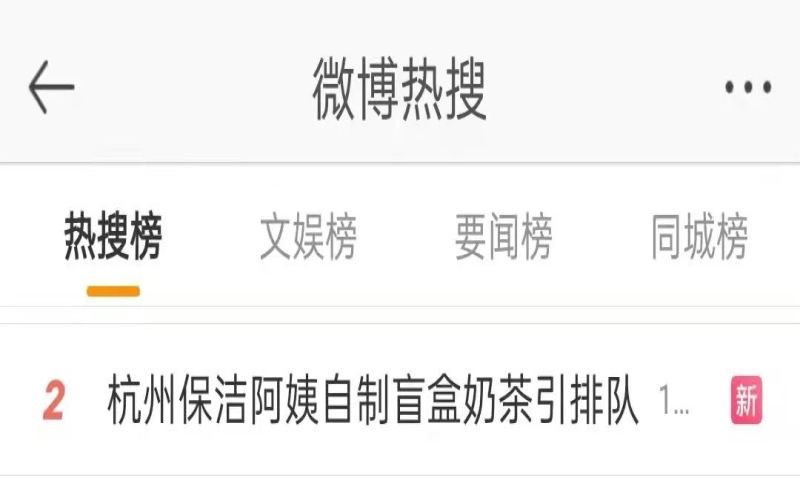
A Hangzhou cleaning lady's 5-yuan DIY blind box milk tea goes viral: Why does the blind box economy keep igniting consumer crazes?
Recently, a "blind box milk tea" made by a company cleaning lady in Hangzhou has trended on Weibo, selling for only 5 yuan per cup, prompting employees across the company to queue up and snap it up daily. The lady learned to make it herself because her daughter loves milk tea, and set up a stall in the office pantry; business became so booming that she had no time for square dancing. Coincidentally, in April this year, the blind box milk tea launched by the Mixue brand in Qingdao also went viral, driving the store's daily revenue from 3,000 yuan to over 10,000 yuan. The blind box economy has shown staggering cross-industry appeal in recent years—from toys to milk tea, it seems to make anything it touches a hit. This article will walk you through the story of blind box milk tea's rise, analyze the origins, characteristics, and underlying marketing logic of the blind box economy, and explore how brands can use blind boxes to achieve long-term business success. [more…]
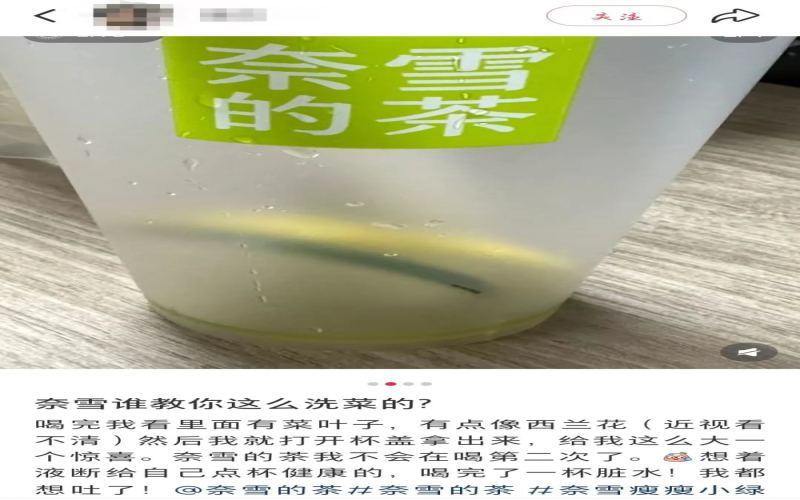
Nayuki's fruit and vegetable tea sparked heated discussion over mud and sand residue on the leaves; employees revealed that store cleaning procedures are done perfunctorily
Freshly squeezed fruit and vegetable teas have become the new trend in the tea beverage industry, with ingredients such as kale, carrots, and beetroot being widely used. While consumers are paying for health, some have found mud and sand in Nayuki drinks. A customer discovered stains remaining on the decorative kale leaves at the bottom of the "Slim Little Green Bottle" cup, and after wiping the stem with a tissue, obvious mud and sand were visible. The post attracted a great deal of attention, and some netizens claiming to be Nayuki employees left comments revealing that stores are short-staffed and the washing of fruits and vegetables is perfunctory. Behind the genuine ingredients of fruit and vegetable teas, food safety issues are cause for concern. [more…]

What coffee grounds are suitable for a French press? A complete guide from parameters to iced coffee and cleaning
Since the French press was born in 19th-century France, its simple structure and immersion brewing method have made it a daily choice for many coffee lovers. But if you want to consistently produce a good cup with it, there are finer points to how the coffee grounds should be chosen, how coarse the grind should be, how hot the water should be, and how long it should steep. This article starts from Front Street Coffee's hands-on experience, sorting out the French press's coffee-to-water ratio, grind size, water temperature, and time parameters, and extends to uses such as cupping, tea brewing, and milk frothing. It also includes a French press iced coffee extraction plan and disassembly and cleaning methods to help you use this simple device more thoroughly. [more…]

Why do Luckin employees call themselves "Handwash Heroes"? Store hygiene control details and genuine consumer feedback
Luckin Coffee's store hygiene management has always been a hot topic online, especially the high frequency of employee handwashing and the meticulous standards, which have even earned them the nickname "Handwash Hero" of the coffee world. From washing hands on the hour, to mandatory cleaning after touching items, to full-scale deep cleaning before quality control inspections, Luckin's dedication to hygiene is almost obsessively strict. Meanwhile, many consumers and employees have shared their personal experiences, with some joking, "I really dislike Luckin, but I won't allow anyone to say it's not clean." In an era where food safety in the restaurant industry frequently draws attention, what exactly does this strict quality control signify? This article compiles a wealth of genuine feedback from frontline employees and consumers to give you an inside look at the various details of Luckin's store hygiene management. [more…]
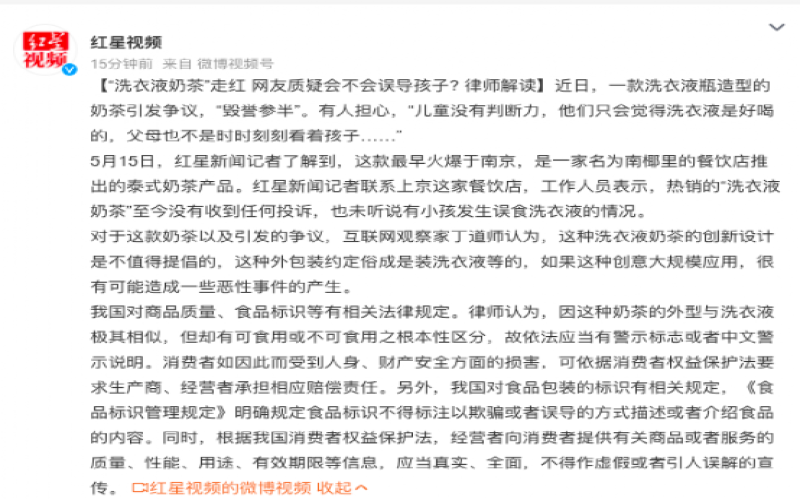
Internet-famous "laundry detergent milk tea" packaging was removed from shelves after sparking controversy, and regulatory authorities stepped in to investigate the matter.
Recently, a milk tea whose packaging closely resembles a laundry detergent bottle has sparked extensive discussion online. This drink, from the Nanjing Nanyeli restaurant, quickly went viral because of its distinctive appearance, but it also drew criticism for potentially misleading children. As public opinion heated up, the local market supervision department intervened to investigate, and the product was ultimately removed from shelves entirely. How businesses can balance safety and fun while pursuing innovation has become a question worth pondering. [more…]
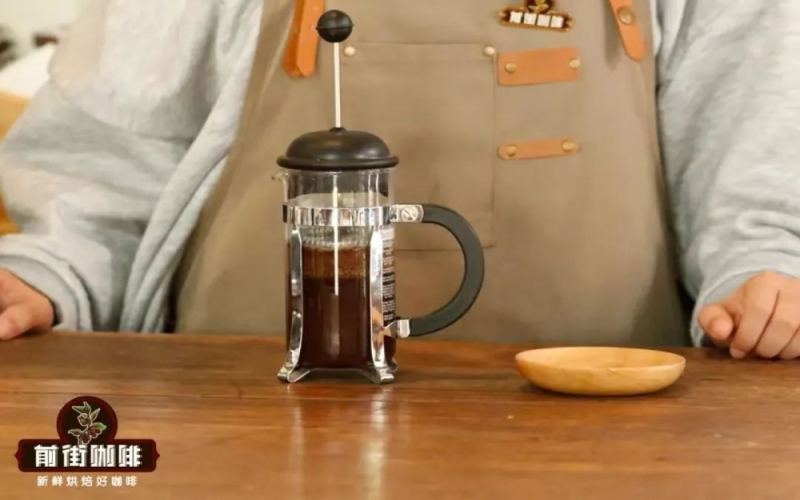
A Practical Guide to Brewing Coffee with a French Press: Immersion Extraction of Golden Mandheling and Key Points for Making Hand-Ground Black Coffee at Home
You have a bag of freshly roasted beans on hand but are frustrated by the lack of the right equipment? A French press may be the most hassle-free answer. It doesn't demand a particular pouring technique, nor does it require parameters precise to the gram—as long as the coffee grounds and water make proper contact, it will reliably deliver a rich, full-bodied cup of black coffee. This article begins with the origins and structural improvements of the French press, explains why it is better suited to medium-dark roasted beans, and uses Front Street PWN Golden Mandheling as an example to break down the complete process from warming the pot, grinding, pouring, to pressing and decanting, along with key cleaning and maintenance tips, helping you land the rounded sweetness and oily mouthfeel of immersion extraction firmly in your cup. [more…]
What Coffee Beans Should You Pair with a French Press? A Complete Guide to Brewing Steps and Key Techniques
To easily make a rich cup of black coffee at home, the French press is one of the lowest-barrier options, and its operation is quite similar to brewing tea. This article begins with the origin and structure of the French press, then sorts out the key parameters affecting extraction—grind size, water temperature, coffee-to-water ratio, and steeping time—and gives specific recommendations for medium-light and medium-dark roasted beans. It also reminds readers of the deep-cleaning points after use, as well as the French press's expanded uses in brewing tea, frothing milk, and more. The parameters and product information recommended by the Front Street brand in the article are all retained, making it suitable for coffee enthusiasts who want to systematically master French press brewing. [more…]

The Origin and Evolution of Drip Bag Coffee: From Tea Bag Inspiration to a Detailed Guide to Front Street Coffee's Drip Bag Brewing Techniques
In the fast-paced life of the city, wanting to enjoy a healthy cup of pour-over-grade single-origin coffee at any time is no easy task. Although instant coffee is convenient, it often adds a burden to the body because of sugar and creamer. The invention of drip bags struck just the right balance between convenience and quality. This article will trace the origin story of drip bag coffee from the Japanese tea bag concept to commercial improvements, and take an in-depth look at Front Street Coffee's key steps in drip bag production, including grinder cleaning, grind size control, and nitrogen packaging. Finally, it will present practical drip bag pour-over brewing steps and parameters to help every coffee lover enjoy a cup of pure, authentic single-origin coffee anytime, anywhere. [more…]

Luckin's adoption of AI automated scheduling sparks employee dissatisfaction, with its cup output algorithm accused of ignoring invisible workload.
Luckin Coffee recently launched an internal AI-based store scheduling system that collects historical business data to predict the daily staffing and working hours needed at each store, attempting to allocate existing manpower more efficiently. However, this seemingly scientific automatic scheduling has drawn widespread complaints from many Luckin employees. They point out that the system uses hourly cup output as its core reference only, completely ignoring a large amount of invisible work such as cleaning, ingredient preparation, and expiration checks, leaving baristas working alone exhausted and even forced to work unpaid overtime just to finish up. Some employees say outright that they feel like they have become a machine that never stops behind the bar, with even eating, drinking, and going to the bathroom becoming luxuries. This efficiency reform driven by algorithms is pushing frontline baristas to the brink of physical and mental exhaustion. [more…]
A Practical French Press Brewing Tutorial: Grind Size, Water Temperature, Time, and Single-Origin Coffee Bean Selection Tips
The French press, with its simple operation and ability to deliver consistent results without complex techniques, has become the daily go-to for many coffee enthusiasts. This article begins with the historical origins of the French press, explains why it is better suited to medium-dark roasted single-origin beans, and breaks down key steps in detail, including preheating, grinding, coffee-to-water ratio, water temperature, steeping time, and plunger operation, while also offering essential cleaning and maintenance tips. The article also recommends Front Street PWN Golden Mandheling as a French press-friendly bean, helping you easily brew a full-bodied, distinctly sweet immersion coffee at home. [more…]

Can Brewing Coffee with a Clay Pot Really Reduce Bitterness? The Principle and Practical Guide to Japan's Tokoname-ware Dripper
Many coffee enthusiasts buy all the equipment only to find cleaning a hassle, and the gear gradually gathers dust. A company under Amazon Japan has launched a product that looks like a teapot but is actually a coffee brewer, with an extremely minimalist structure—just a high-density filter added at the spout. Its body uses the thousand-year-old Tokoname-yaki craft, firing iron-rich clay unglazed, preserving its porous absorbency, which can adsorb the compounds in coffee that cause off-flavors. The bitterness of coffee mainly comes from chlorogenic acid lactones and phenylindanes, and the clay pot's structure can effectively reduce these unpleasant flavors. Using immersion extraction, by controlling water temperature and the coffee-to-water ratio, you can get a clean, full-bodied cup of coffee in 2-3 minutes. This article explains its principles and key operating points in detail. [more…]
Brewing Golden Mandheling with a French Press: Easily Make a Gold Cup-level Hand-ground Black Coffee at Home
To easily enjoy a good cup of coffee at home, a French press is a simple and practical choice. It doesn’t require complicated equipment, nor does it demand precise pouring techniques; as long as you get the coffee dose, water temperature, and steeping time right, you can brew a black coffee with a rounded, notably sweet flavor. This article begins with the French press’s origins and improvements, explains why it suits medium-dark roasted beans, recommends Front Street Coffee PWN Golden Mandheling, and then breaks down the brewing process and cleaning points step by step, so you can get a rich cup that aligns with the Golden Cup concept in the most effortless way. [more…]
The Complete Guide to Starbucks Elegant Pour-Over Chemex: A Detailed Analysis of Parameters from Grind Ratio to Extraction Steps
The Chemex coffee maker, with its elegant appearance and excellent extraction performance, has become a favorite among many coffee enthusiasts. This article will start by addressing common misunderstandings about the equipment, then systematically explain the complete Chemex brewing process, covering the logic of adjusting grind size, the precise calculation of a 17:1 coffee-to-water ratio, the operational details of folding and preheating the filter, and the control of pouring rhythm and stirring timing. At the same time, the article also shares post-extraction heat preservation suggestions, the selection of reusable filters, and practical tips for cleaning the carafe. Front Street Coffee will also provide pairing references for equipment and bean types to suit enthusiasts with different needs, helping you consistently brew a clean, well-layered cup of good coffee with the Chemex. [more…]
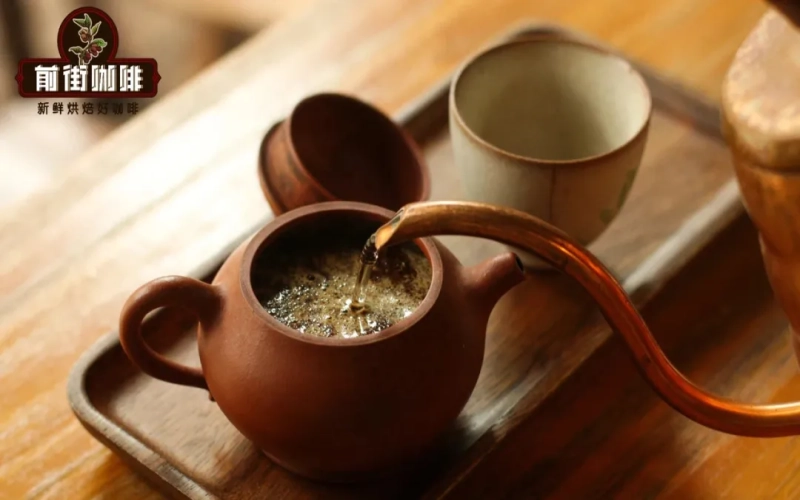
Can an espresso machine also brew concentrated tea? Testing the methods, parameters, and precautions for brewing tea with an espresso machine
The extraction principles of coffee and tea are essentially the same. Since an espresso machine can use pressure to extract a high-concentration coffee in a short time, can it also be used to extract a cup of "espresso tea"? With this question in mind, Front Street conducted an actual test: from the choice of grinding equipment, the adjustment of tea leaf dosage, to the control of the powder-to-water ratio and extraction time, the entire process of extracting tea with a coffee machine was fully recorded. Experiments have shown that a coffee machine can indeed extract tea with a concentration comparable to espresso, but many pitfalls were also encountered during the process—difficulties in cleaning the grinder, clogged portafilter baskets, and tea fragments seeping in and affecting the taste appeared one after another. This article will share the specific parameters and operating details, and give Front Street's practical advice: if you really want to try it, it is best to be mentally prepared, or add professional tea extraction tools. [more…]
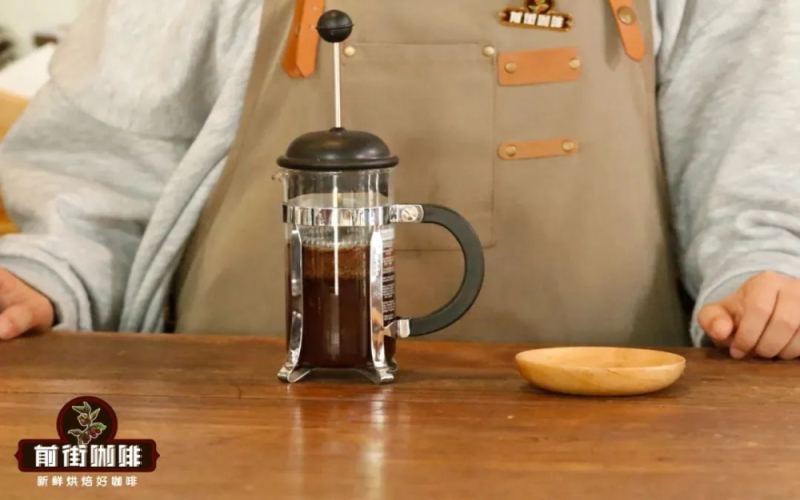
The Complete French Press Guide: Practical Tips from Bean Selection to Brewing and Maintenance
The French press is one of the simplest coffee brewing devices to operate, requiring no complex pouring technique, which is why it is so popular among beginners. However, this seemingly simple immersion extraction actually involves several key variables, including coffee bean selection, grind size, steeping time, water temperature, and coffee-to-water ratio. This article systematically breaks down the working principles and practical parameters of the French press to help you avoid common pitfalls and brew a cup of rich, balanced coffee. It also includes key points on filter cleaning and daily maintenance to keep the device in good condition at all times. [more…]
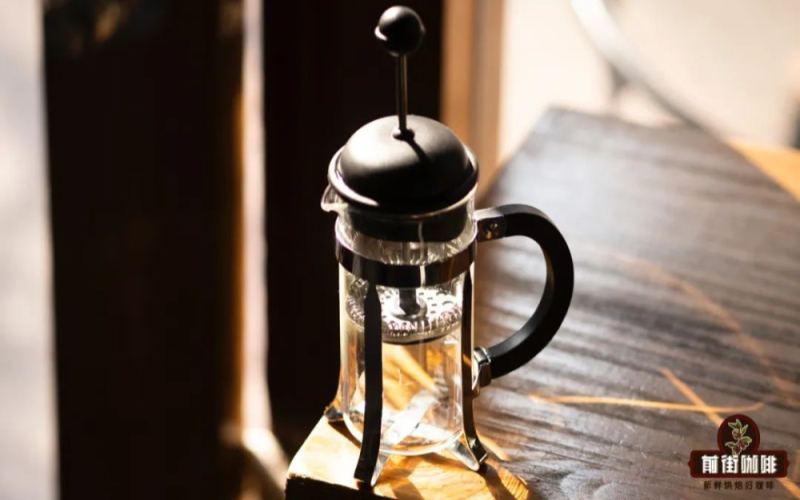
The Complete Guide to Brewing Geisha Coffee with a French Press: Grind, Water Temperature, Ratio, and Timing Parameters Explained
The French press has a low barrier to entry, but if you want to consistently brew a good cup of coffee, the key still lies in parameter control. This article starts with the origin and structure of the French press, sorts out the approach to bean selection, and gives specific suggestions around four variables: grind size, water temperature, coffee-to-water ratio, and steeping time. Using the medium-light roasted Front Street Grana Geisha as an example, it explains the yellow peach, apricot, citrus, and lemon notes brought by the natural process, as well as its refreshing performance whether hot or cold. It will also mention the pros and cons of a fine grind, the trade-off between body and clarity brought by the metal filter, and the key points for disassembling and cleaning after use. [more…]

Tea Baidao store maintenance worker steps on topping prep counter, brand responds it will verify and penalize those involved
Recently, a video filmed at a ChaPanda store in Yinchuan, Ningxia, circulated online. In the footage, a repair worker, in order to fix a malfunctioning TV mounted high up, directly stepped with his shoes onto the topping counter where ingredients such as tapioca pearls and mochi were placed, without any protection on the soles of his shoes, sparking public concern about food hygiene at the store. The store involved explained that the lids had already been put on the boxes at the time, and that disinfection and cleaning were carried out afterward. ChaPanda's official customer service responded that they were verifying the matter, and if it proved true, both the store and the repair worker would be punished, and promised to strengthen supervision and standardize hygiene checks for repair personnel to prevent similar incidents from recurring. [more…]
What Coffee Grounds Are Suitable for a French Press? Detailed Explanation of Hot vs. Cold Brew Differences and Brewing Parameters
The French Press was invented in France in the 19th century, and thanks to its simple structure and easy operation, it remains a daily choice for many coffee lovers today. It uses immersion extraction, requiring only three steps to brew: add grounds, pour water, and press the plunger. But to consistently produce a good cup of coffee, the coffee-to-water ratio, grind size, water temperature, and steeping time all need to be carefully controlled. Drawing on extensive brewing experience, Front Street Coffee offers coffee bean recommendations and parameter suggestions suited to the French Press, and extends this into a complete method for making iced coffee with a French Press. In addition, the French Press can also serve as a cupping tool, a tea-making vessel, or even a milk frother, and there are finer points to cleaning and disassembling it. [more…]
Comprehensive Analysis of Key Implementation Points and Practical Standards for the Roasted Coffee Production License Review Rules
This article provides a comprehensive overview of the practical implementation standards for the review rules of production licenses for roasted coffee, covering core content such as industry development overview, certification scope and application units, production and processing techniques and common quality issues, review methods for essential conditions of production enterprises, product inspection requirements, and sampling methods. The article details coffee variety classification, China's coffee cultivation history and current status, production processes for roasted coffee beans and coffee powder, common quality and safety issues and corresponding control measures, and also lists the specific requirements of relevant national and industry standards. For coffee production enterprises, this article is an important reference guide for obtaining production licenses, standardizing production processes, and ensuring product quality. [more…]